

INFLUENCER MARKETING
From Influencers to Trusted Voices:
How Women Are Changing Marketing
1 MIN READ
PUBLISHED SEP 1, 2026
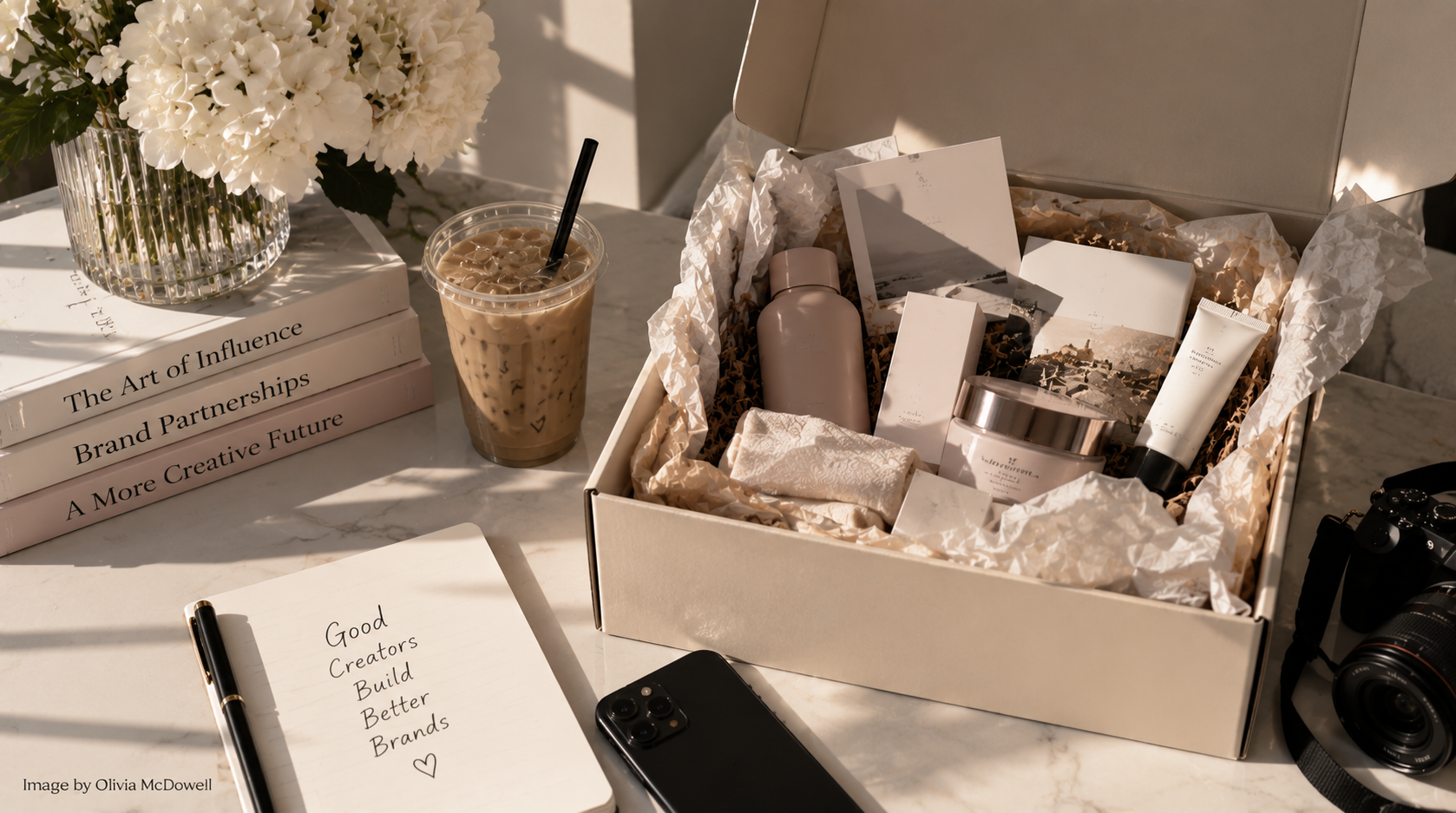
Culture shapes what consumers value and who they trust, ultimately influencing what individuals buy. A major cultural shift is the growing economic power of women. Bridget Brennan’s Forbes article discusses how in modern-day culture, we are seeing a narrative shift as women become increasingly represented among breadwinners and college-educated consumers. At the same time, social media has created a platform for women to turn their voices, interests, and personalities into personal brands.
This has changed the relationship between consumers and marketers.
Content creators are no longer simply people who post online; they are becoming million-dollar marketing channels.
Culture is in Our Content
Traditional advertising places a brand directly in front of consumers. Influencer marketing works differently. Sure, some influencers create advertisements that feel like commercials, but some of the most effective influencer marketing happens when a product is naturally incorporated into a creator's content.
For example, TikTok creator @SmallerSamPCOS started a series showing her followers what she orders at different fast-food restaurants and how she modifies her orders to better align with her personal goals. The concept quickly gained attention, and viewers began visiting the same restaurants and ordering the same meals. Suddenly, a creator's everyday food choices were influencing the purchasing behavior of thousands of people.
This is what makes creator marketing so powerful - they aren’t always advertising a product, they are influencing their audience with motivation behind what they’re selling.
Women are increasingly using social media to create unconventional careers that didn’t exist a generation ago. Stay-at-home mothers, entrepreneurs, students, and working professionals can build audiences around their lifestyles, interests, expertise, or experiences. As those audiences grow, opportunities for brand partnerships follow.
These partnerships can range from beauty and fashion products to food, travel, technology, fitness, and countless other industries.
For marketers, this creates an important opportunity: instead of only asking, “Who is our target consumer?” brands should also ask, “Who does our target consumer trust?”
The rise of the female creator shows us how cultural change can create entirely new channels for marketing.
Consumers aren’t watching ads, they’re watching creators that they feel like they have a personal relationship with; these creators just may be recommending things that they’re getting paid to talk about.

The Marketing Dumps
Don’t End Here.
There are more articles apart of this collective. The strategy behind the scroll helps you understand more to influencer marketing that meets the eye.
What looks effortless online usually has a strategy behind it. Keep digging into the marketing, psychology, and partnerships shaping what shows up on your feed.