
CONSUMER BEHAVIOR
Disney Adults Are Out, Disney Girlies Are In:
Disney Turns Loyalty Into a Lifestyle
5 MIN READ
PUBLISHED SEP 8, 2026
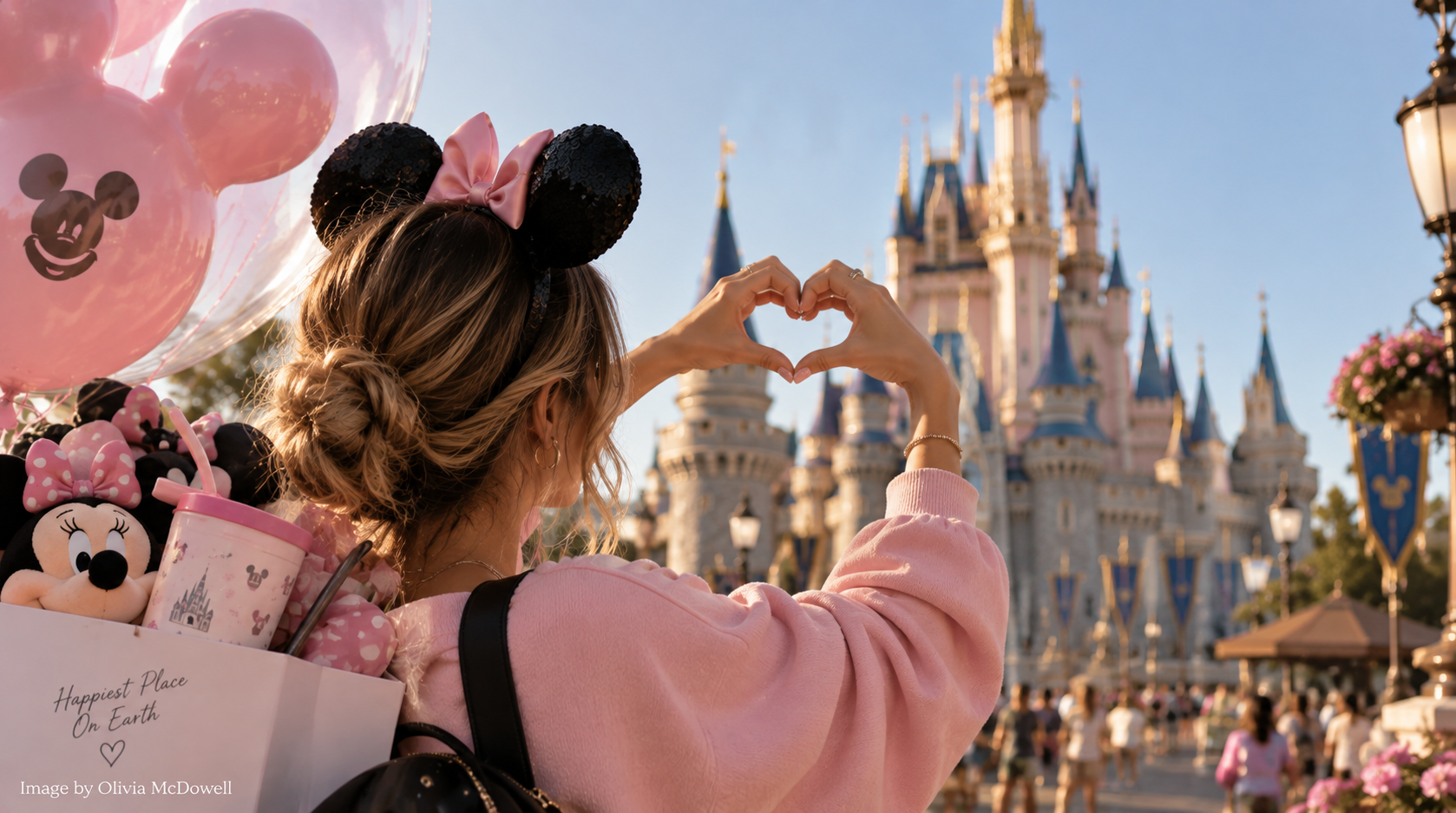
The term “Disney Adult” used to be an insult, but somewhere along the way, Disney Adults got their rebrand.
Disney influencers are being invited to the parks for content, park outfits are trending on Pinterest, and being a “Disney girlie” has become the new it thing to do, especially for Florida residents. Disney is no longer just somewhere you go on vacation. For some guests, it has become a lifestyle.
And behind the cute outfits, Minnie ears, and Instagram dumps is something marketers should be paying attention to: customer loyalty.
Disney may not hand out punch cards or give you points after every purchase, but its Annual Passholder program operates a lot like a loyalty program. Disney offers four tiers of Annual Passes. You purchase your pass, get repeated access to the parks within the terms of your tier, and receive additional Passholder benefits like complimentary parking and discounts on select dining, merchandise, resorts, and experiences. For someone who goes to Disney frequently enough, the pass can essentially pay for itself compared to buying individual park tickets.
But Disney is benefiting from the arrangement, too.
Once you have an Annual Pass, going to Disney on a random Saturday doesn't feel like buying another $150 park ticket. You've already paid for admission. So, what's stopping you from going for the afternoon, buying a new pair of ears, splurging on dinner, or justifying another merchandise purchase because it's 20% off?
Disney isn't just incentivizing a ticket purchase. It's incentivizing a relationship.
And social media has made that relationship even more valuable.
An Annual Passholder who visits Disney frequently isn't only another opportunity for a sale - they're also another opportunity for content. Every visit can become an Instagram dump, TikTok vlog, park outfit video, food review, or merchandise haul. Outfits and accessories get linked in stories, followers ask where something is from, and suddenly a loyal customer is doing some of Disney's marketing for them.
You don't even have to be at Disney to participate in it.
I constantly see content about new merchandise dropping in the parks, what people are wearing to EPCOT, what food is worth trying, and what you need to buy before it sells out. Consumers interact with Disney before their trip, during it, and long after they leave.
Other brands have caught onto the “Disney economy,” too. BaubleBar has created Disney jewelry, accessories, and Minnie Ear collections. Stoney Clover Lane frequently releases Disney-themed bags, pouches, and charms. These launches fit perfectly into influencer marketing because the product isn't just Disney merchandise anymore. It's part of the whole Disney aesthetic.
And that's where the loyalty cycle gets interesting:
Disney gives consumers a reason to keep coming back.
Annual Passholders turn those visits into content.
That content inspires other consumers to visit, dress, eat, and shop like them.
Brands tap into the Disney audience through collaborations.
Influencers promote those collections to an already-invested community.
Consumers buy, post, and influence someone else to do the same.
Disney has taken customer loyalty and turned it into an entire social media ecosystem.
But there's a downside to creating customers who are that invested.
When Loyalty Comes Back to Bite
Andre Schwager and Chris Meyer discuss the boomerang effect in their published article titled Understanding Customer Experience. Highly loyal customers can respond more negatively to service failures because they expect more from a company they have committed themselves to.
Disney World immediately came to mind.
Annual Passholders aren't making one purchase and walking away. They're repeatedly visiting the parks, buying merchandise, purchasing Lightning Lanes, eating at restaurants, following Disney accounts, and, in some cases, creating content that promotes Disney to thousands of other people.
Eventually, Disney becomes part of their identity.
And when someone feels like they've given a brand that much loyalty, they start expecting some loyalty in return.
A ride going down temporarily? Most people understand that things happen.
But increasing prices, taking away benefits, or making the Annual Pass feel less valuable? That's different. Now the customer isn't just annoyed with an inconvenience. They may feel like the brand they have continuously supported doesn't value them anymore.
And the same social media ecosystem that made their loyalty so valuable can make their frustration valuable, too.
The creator who once posted “Come to Disney with me!” can turn around and post “Why I'm not renewing my Annual Pass.”
That's what makes customer loyalty so complicated. The more successfully a brand makes itself part of a consumer's lifestyle, the more that consumer expects from the relationship.
Disney doesn't just need to keep Annual Passholders coming through the gates. It has to keep giving them a reason to want to be a Disney girlie in the first place.
Turning the Boomerang Back Around
That's what makes customer loyalty so complicated. The more successfully a brand makes itself part of a consumer's lifestyle, the more that consumer expects from the relationship.
Disney World cast members receive tons of complaints every day due to the sheer volume of guests in the park. What do you think is most complained about? Most likely the wait times, or rides going down.
But what do you think is causing corrosion in their loyalty program? Passholders aren’t canceling their passes because the wait times are high, they’re canceling their memberships because prices are rising - and it seems like Disney has recognized that.
In recent days, Disney has switched their down-payment terms; they used to require a $205 payment, but they have recently switched the payment to $99 making it much more accessible to commit initially. At the same time, we a decrease in the price for select annual passes, as well as an increase to Passholder specific initiatives like merchandise or exclusive lounges.
This is where Disney can start to reverse the boomerang effect. If higher expectations come with higher loyalty, brands have to give their most loyal customers a reason to feel valued. For Disney, that means making the Annual Pass feel like more than admission to the parks. It needs to feel like membership into something exclusive.
The Marketing Dumps
Don’t End Here.
There are more articles apart of this collective. The strategy behind the scroll helps you understand more to influencer marketing that meets the eye.
What looks effortless online usually has a strategy behind it. Keep digging into the marketing, psychology, and partnerships shaping what shows up on your feed.